As the clock ticks toward noon, the kitchen table is cluttered with half-open notebooks, a laptop displaying a jumbled array of tabs, and a calendar app blinking reminders. Each ping pulls focus, making it difficult to settle into a productive work session. With the desktop monitor perched at the edge of the table, it’s easy to lose sight of the task at hand amidst the distractions of family chatter and the smell of lunch cooking in the background.
Before diving into the next focus block, a quick check of the calendar reveals overlapping commitments, but the real friction lies in the lack of a visible task list. Skipping this step means the mind flits between tools and tabs, unable to latch onto a single task. By prioritizing a clear task list and blocking out a dedicated work session, the path to a more organized workflow becomes clearer, even in this busy kitchen setting.
The Distraction of Too Many Tabs
The kitchen table is a chaotic blend of open documents, a calendar app, and a web browser with multiple tabs vying for attention. Each tab represents a different project or reminder, but instead of facilitating productivity, they create a fog of distraction. This clutter not only clogs the screen but also muddles the mind, making it hard to focus on any single task.
As the clock inches closer to the designated work time, the urge to check each notification is overwhelming. The laptop screen flickers with updates, and the sound of a new email arriving pulls focus away from the task at hand. Before even opening the working document, a quick glance at the calendar reveals overlapping commitments that could derail the planned focus block. Without a visible task list to anchor thoughts, the workflow becomes fragmented, leading to a cycle of task switching that eats away at valuable time.
To regain control, it’s crucial to prioritize a single task on the screen. This means closing unnecessary tabs and creating a dedicated space for the work session. The act of placing a sticky note with the main task on the edge of the monitor can serve as a constant reminder, cutting through the noise of notifications. By blocking out distractions and focusing solely on one task, even in a cluttered environment, the workflow can transform from chaotic to manageable, paving the way for a more productive day.
Where Workflow Begins to Slip
This same friction shows up again in Managing Energy Not Time, especially when the day tightens unexpectedly.
At the kitchen table, the clutter of papers and a half-drunk cup of coffee surround the laptop. As the clock ticks toward the start of a focused work session, there's a moment of hesitation. The calendar is pulled up first, a habit formed from past chaos. Scanning the day’s commitments reveals overlapping meetings, each one a potential distraction. This quick check, while intended to provide clarity, instead becomes a delay, pushing the actual work time further down the list of priorities.
Notifications from email and messaging apps start to flood in, competing for attention. The sound of a new email arriving is almost magnetic, drawing focus away from the task at hand. Instead of diving into the working document, the mind flits between tabs, each ping a reminder of unfinished tasks. This constant task switching not only fragments concentration but also stretches the work session thin, making it hard to settle into a productive rhythm.
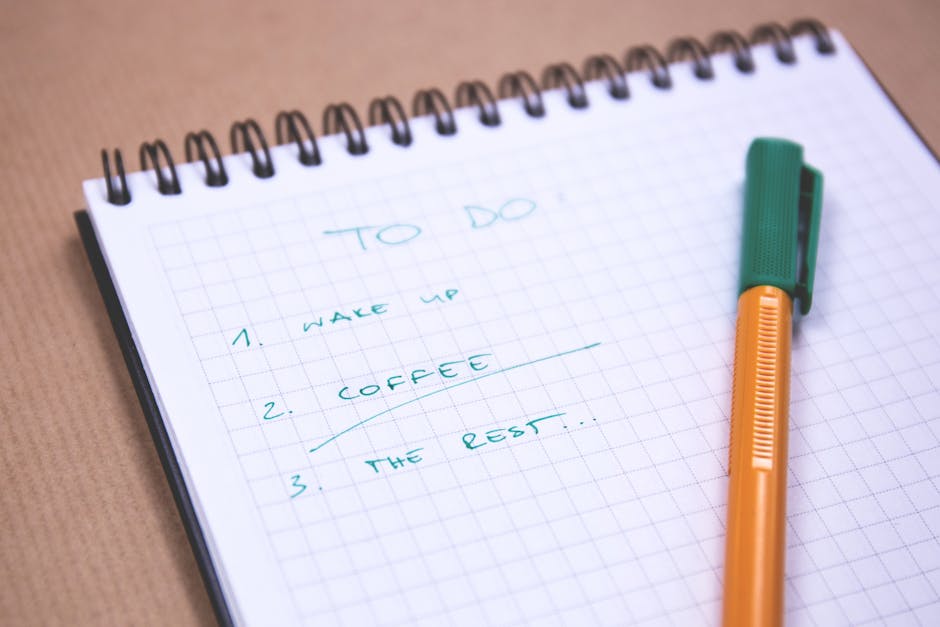
To counter this, establish a visible task list right next to the screen. A simple sticky note with the main task written in bold letters can serve as a grounding point. By physically placing it on the edge of the monitor, it becomes a constant reminder of what needs to be accomplished. This small adjustment, coupled with a commitment to close all unnecessary tabs, can transform the workspace. The next step is to block out a solid hour for focused work, ensuring that distractions are minimized and the clutter of the day is kept at bay.
Why Clutter Creates Workflow Friction
A slightly different version of this problem appears in Focus Without Burnout, where the sequence changes but the hidden drag feels familiar.
At the kitchen table, the laptop screen is flanked by a jumble of papers, a half-drunk coffee cup, and a smartphone buzzing with notifications. Each distraction pulls attention away from the task at hand, creating a sense of cognitive overload. When the calendar is checked before opening the working document, the mind is already racing through a mental list of tasks, making it harder to settle into a focused work session. The clutter not only occupies physical space but also consumes mental bandwidth, leaving little room for deep concentration.
As the laptop remains open, the email tab expands, showcasing a list of unread messages that beckon for attention. This frequent task switching disrupts focus, prolonging the time it takes to complete even simple tasks. With good intentions, one might think that checking emails quickly will help clear the mind, but each distraction only leads to more clutter—both on the screen and in the mind. To counteract this, a visible task list should be placed on the edge of the monitor. This small adjustment acts as a reminder of the primary goal, allowing for a more structured approach to the work session. However, the tradeoff is clear: while it may feel productive to multitask, the reality is that each switch dilutes the effectiveness of the focused work block. A Focus Block Before Task Switching Setting up a focused work session can drastically change how productivity flows during a busy day. Instead of jumping straight into the clutter of emails and calendar checks, take a moment to establish a clear boundary. Place a timer on the edge of your monitor, setting it for 25 minutes. This simple act signals the start of a dedicated focus block, creating a mental commitment to work without distractions.
During this time, resist the urge to check your email or calendar, which often leads to a cascade of interruptions. However, allowing yourself to get sidetracked by those notifications only prolongs the work session. Instead, keep a visible task list pinned to the monitor's edge, reminding you of your primary goal. This small adjustment helps maintain clarity and purpose during your focus block.
After the timer buzzes, you can transition to checking emails or updating your calendar. This structured approach prevents the all-too-common scenario of fragmented attention, allowing for a more efficient workflow. While it may seem tempting to multitask, the reality is that each switch dilutes your focus. By prioritizing a dedicated work session first, you set a foundation for more effective task management, ultimately leading to a smoother day.
What Gets Easier in the Next Time Block
When you sit down at your kitchen table, the clutter of papers and open tabs can feel overwhelming. Before diving into your next work session, take a moment to adjust your desk planning. Position a small whiteboard or notepad at the edge of your desktop monitor, clearly listing the tasks you intend to tackle. This visible task list serves as a constant reminder of your priorities, keeping distractions at bay.
As you prepare for your focus block, check your calendar first. This simple act can save you from the temptation of scrolling through your inbox, which often leads to losing track of time. By ensuring your immediate tasks are front and center, you set the stage for a more productive session.
After this small adjustment, you’ll find that the next time block feels more manageable. With your tasks clearly outlined and your calendar checked, you can dive into your work with a sense of purpose. This straightforward approach reduces the friction of switching between tasks, allowing you to maintain focus and momentum throughout the day.
As you sit at your kitchen table, the clutter of tabs and reminders can easily pull your attention away from the task at hand. Before diving into your work session, take a moment to check your calendar. This small act can help you avoid the distraction of an overflowing inbox, which often leads to a fragmented focus. By confirming your scheduled tasks, you create a mental boundary that prepares you for a more productive block of time.
Position a small notepad or sticky note on the edge of your monitor, listing the specific tasks you plan to tackle. This visible reminder not only keeps your priorities in sight but also helps you resist the urge to switch tasks impulsively. With your calendar checked and your tasks clearly outlined, you can approach your next focus block with intention, minimizing distractions and enhancing your workflow.
