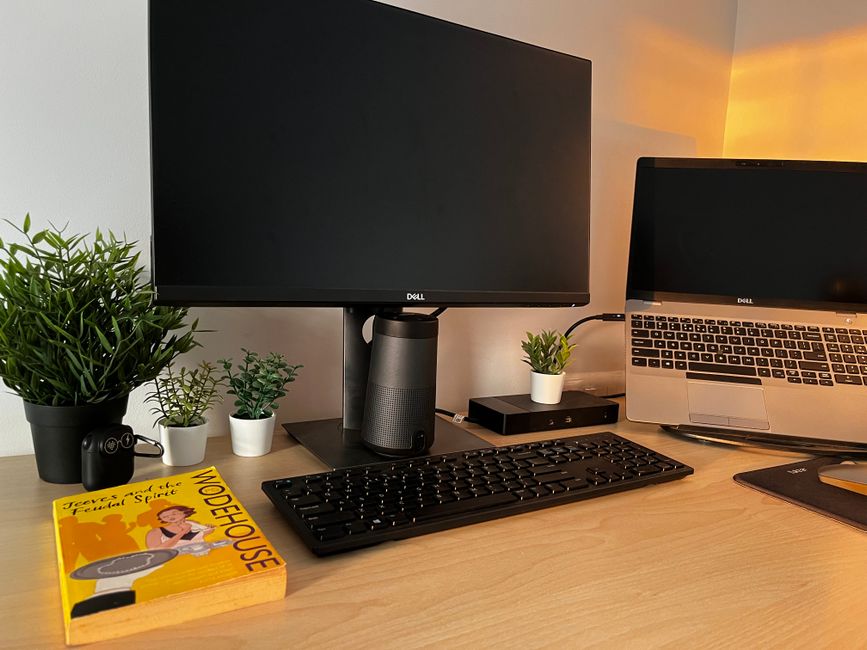
It's a typical Tuesday afternoon, and the cluttered desk is a battlefield of sticky notes, half-finished coffee cups, and a computer screen filled with a calendar sidebar that seems to mock the dwindling focus. The top three tasks, which should be the priority, sit there glaringly untouched, overshadowed by smaller admin tasks that have crept into the day like uninvited guests. As the clock ticks towards the dreaded afternoon dip, the energy to tackle the real work feels increasingly out of reach, buried under a pile of emails and minor to-dos that somehow took precedence.
This moment highlights a common friction point in daily workflow management: the mismatch between the work session intended for deep focus and the reality of task switching that disrupts it. When planning the day, the calendar block meant for concentrated effort often gets diluted as those small admin tasks crowd in, making it easy to lose sight of what truly matters. The visible task list should serve as a guide, but without a clear check on what gets prioritized, the real work can easily slip through the cracks, leaving the desk setup feeling chaotic and unproductive.
The Default Method: Cluttered Surfaces and Overlapping Tasks
Amidst a sea of sticky notes plastered across the desk, the office worker sits down to tackle the day’s agenda. The calendar sidebar is open on the screen, displaying a jumbled mix of meetings, reminders, and admin tasks all crammed into the same time slots. What initially seems like a reasonable approach to manage the workload quickly turns chaotic, as the small tasks begin to overshadow the focus block meant for deep work. The top three tasks, intended for priority, remain untouched while the minor to-dos demand attention like persistent pests.
As the clock inches towards the afternoon dip, the energy to engage in meaningful work dwindles, leaving the worker feeling overwhelmed. The mismatch between the intended work session and the reality of task switching becomes painfully clear. To regain control, one practical step is to move those admin tasks to later in the day. By making this adjustment, the visible task list transforms from a cluttered mess into a clear roadmap, allowing the focus block to shine as the centerpiece of productivity. However, without this conscious decision to prioritize, the desk setup continues to reflect a chaotic workflow, where meaningful progress remains elusive.
Where the Default Fails: The Overwhelm of Small Tasks
A glance at the calendar sidebar reveals a jumble of tasks, with small admin duties like responding to emails and scheduling meetings cluttering the top. These items, while urgent, often overshadow the deep work that should take precedence during the focus block. As the clock ticks towards the afternoon dip, the energy to tackle significant projects dwindles, leaving the office worker feeling drained and unproductive.
The friction becomes evident when the top three tasks, meant to guide the day’s focus, remain untouched. Instead, the minor to-dos demand immediate attention, creating a cycle of task switching that disrupts concentration. Each time an email notification pings, it pulls focus away from the important work, leading to a chaotic desk setup where the visible task list no longer serves its purpose. To combat this, it’s essential to prioritize effectively.
Moving those admin tasks to later in the day can be a game changer. By designating the first half of the day exclusively for deep work, the calendar can be adjusted to reflect this focus. This simple shift not only clarifies the task list but also transforms the work session into a productive block. When the admin tasks are pushed to the afternoon, the morning hours can be reserved for tackling the most critical projects without distraction. This adjustment highlights the weak point in default workflow habits: the tendency to let small tasks dominate the day, ultimately stifling meaningful progress.
A More Workable Alternative: Prioritizing Deep Work Blocks
Amidst the clutter of a typical office desk, the calendar sidebar often reveals a chaotic schedule that fails to protect valuable focus time. The default habit of cramming in small admin tasks throughout the day can quickly overshadow the critical work that truly drives progress. Instead of allowing these minor duties to infiltrate the morning hours, consider a structured approach that prioritizes deep work blocks.
By designating the first part of the day as a focus block for high-priority tasks, you create a clear boundary that shields your most important projects from distractions. For instance, if your calendar shows a mixed bag of meetings, emails, and admin reminders, simply moving those admin tasks to the afternoon can drastically alter your workflow. This shift not only preserves your morning energy but also allows your task list to reflect what truly matters.
To implement this, start by opening your calendar and dragging those lower-priority tasks to later slots. Next, write down your top three tasks for the day in a visible spot, ensuring they remain unchanged until completed. This small adjustment helps maintain clarity and focus throughout your work session. The difference is palpable: with admin tasks relegated to the afternoon, your mornings transform into a dedicated space for deep work, fostering a more productive atmosphere.
However, it’s essential to remain vigilant against the tendency to let small tasks creep back into your morning. A quick check of your task list before diving into your focus block can help reinforce this boundary. Ultimately, the real challenge lies in maintaining this structure amidst the daily demands of the office environment.
The Tradeoff: Less Flexibility for Greater Focus
A slightly different version of this problem appears in Managing Energy Not Time, where the sequence changes but the hidden drag feels familiar.
In an office filled with the hum of computers and the clatter of keyboards, the choice to prioritize focus blocks over spontaneous tasks can feel like a double-edged sword. When you decide to reserve your mornings solely for deep work, you might notice a dip in your ability to respond to urgent emails or last-minute requests. For instance, if you’ve blocked off a solid two hours for a project on your calendar sidebar, a sudden ping from a colleague can disrupt that flow, forcing you to weigh the importance of immediate communication against your commitment to a focused work session.
This rigidity requires discipline. The act of moving admin tasks to the afternoon is a step that can help maintain your focus, but it also means that you must resist the urge to check off those smaller tasks early in the day. A visible task list, pinned to your desk or displayed on your screen, can serve as a reminder of what truly matters. Ensure that your top three tasks remain unchanged until completed; this simple act can help you stay anchored. However, the tradeoff is clear: while you gain a structured approach to your workflow, you also risk missing out on the flexibility to address pressing issues as they arise.
Ultimately, the decision to adopt a more rigid schedule boils down to your work environment and personal priorities. If your role often demands quick responses, the cost of sacrificing flexibility might outweigh the benefits of uninterrupted focus. But for those moments when deep work is essential, the structure can lead to significant gains in productivity, even if it means occasionally letting some emails sit unanswered.
Finding the Right Fit: When to Adapt the New Approach
If this pattern keeps repeating, Focus Without Burnout extends the idea without leaving the niche.
On days when your calendar is relatively clear, and unexpected interruptions are minimal, consider shifting to a more structured workflow. This method thrives in environments where sustained concentration is paramount, especially for projects that demand deep work. For instance, if your calendar block shows a solid two-hour window free from meetings or calls, this is the perfect time to dive into a complex task without the usual distractions.
During an ordinary weekday, as you glance at your cluttered desk, you might notice a stack of admin tasks lingering on your to-do list. These small, nagging items can easily crowd out the more significant work that requires your full attention. Instead of allowing these tasks to dictate your day, move them to later in the afternoon when your energy may naturally dip. This adjustment not only helps protect your focus block but also allows you to approach those admin tasks with a fresh perspective later on.
To implement this effectively, keep your visible task list pinned to your workspace. As you prepare for your focus session, check that your top three tasks remain unchanged until they are completed. This simple act of prioritization can help you resist the temptation to tackle smaller items early. However, be mindful that while this structured approach can enhance your workflow, it may also mean you forgo immediate responses to pressing emails. Balancing these factors is crucial; if your role often requires quick turnaround times, the tradeoff might not be worth it. But when deep work is essential, this method can lead to significant gains in your daily productivity.
As the afternoon approaches, the clutter on your desk can become a source of distraction, especially if small admin tasks start creeping into your focus block. Instead of allowing these tasks to disrupt your deep work, consider re-evaluating their placement in your calendar. By moving them to a later time, you create a clear boundary that protects your most productive hours. This shift not only preserves your energy for more demanding tasks but also allows you to tackle those smaller items with renewed focus.
To implement this, keep a visible task list pinned to your workspace, ensuring that your top three tasks remain front and center. Before diving into your work session, take a moment to confirm that these tasks are prioritized and untouched until completion. This small check can help you resist the urge to switch gears prematurely, allowing you to maintain your workflow without unnecessary interruptions. Remember, it’s about finding what works best for you—adjusting your approach to fit your energy patterns can make a significant difference in your daily productivity.
