At the kitchen table, the calendar sidebar is filled with overlapping blocks, each representing a meeting or task that demands attention. As the clock ticks toward the next scheduled call, the screen fills with notifications from Slack and email, each ping a reminder of the tasks waiting for focus. The task list grows longer, and what initially seemed manageable now feels overwhelming, especially as the simple act of switching from one task to another begins to eat away at precious minutes.
Every time a reminder popup interrupts a work session, the next ten minutes slip away in a scramble to refocus. The constant task switching not only disrupts workflow but also leads to a frustrating cycle of starting and stopping, where each new notification pulls attention away from what was previously in progress. Closing unused tabs and muting notifications might seem like small adjustments, yet they can create a clearer path through the chaos of a busy day, helping to reclaim lost focus and time.
The Task List Grows While Focus Fades
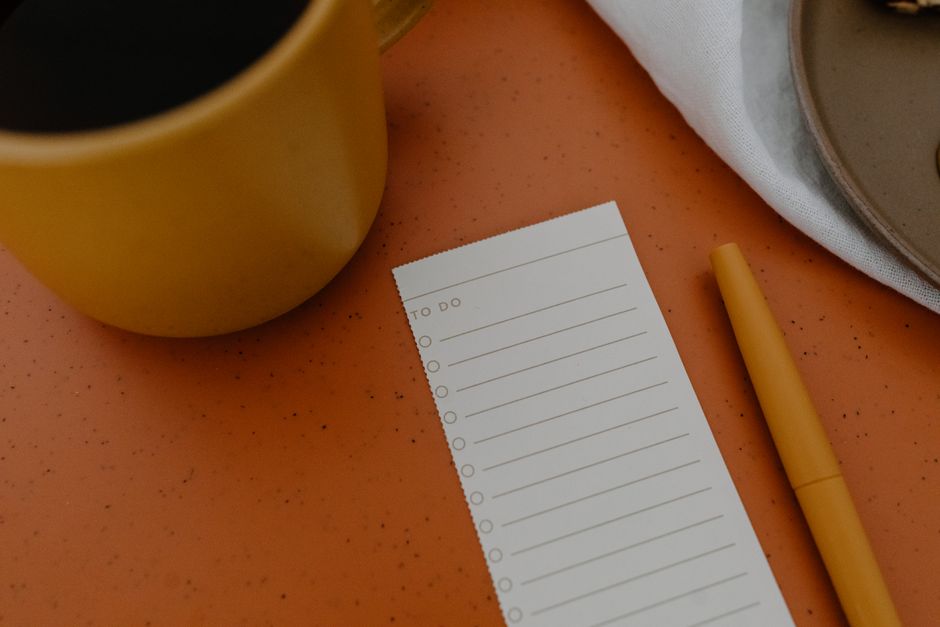
At the kitchen table, the task list sprawls across a notepad, each item a reminder of the busy day ahead. The calendar sidebar on the laptop screen shows overlapping blocks for meetings, leaving little room for the actual work that needs to be done. As the clock ticks toward the next scheduled call, Slack notifications pop up in rapid succession. Each ping disrupts the fragile focus, pulling attention away from the task at hand.
With every reminder, the weight of the tasks increases, and the initial sense of control starts to slip away. A quick glance at the screen reveals a jumble of open tabs, each one a potential distraction. The simple act of switching from one task to another becomes a time sink, where a reminder popup can easily steal the next ten minutes. Closing unused tabs and muting notifications becomes essential; this small adjustment creates a slightly clearer path through the chaos, allowing for brief moments of focus amidst the interruptions.
When the First Task Becomes Overwhelming
The kitchen table is cluttered with notebooks and a laptop, the screen filled with overlapping calendar blocks. As the clock inches closer to the next meeting, a reminder popup flashes, stealing ten minutes of focus. Each ping from Slack pulls attention away from the simple task at hand—sending a quick email. What seemed like a straightforward action quickly becomes complex as the mind shifts gears, struggling to regain focus amidst the chaos.
Task switching reveals its hidden costs. The initial intention to complete the email is overshadowed by the realization that every interruption adds to the time spent. A missed check on the calendar leads to a delay in preparing for the upcoming call, leaving little room for thoughtful responses. Closing unused tabs becomes a necessary ritual, creating a clearer workspace. Muting notifications transforms the environment, allowing for brief moments of concentration. Yet, even with these adjustments, the awareness of time lost lingers, reminding that the simplest tasks can turn into overwhelming hurdles when the workflow is disrupted.
If this pattern keeps repeating, Focus Without Burnout extends the idea without leaving the niche.
Why Switching Costs Add Up During Busy Days
On a typical weekday, the kitchen table becomes a makeshift office, cluttered with a laptop, a notepad, and a calendar filled with back-to-back meetings. Each time a Slack notification pings, the mental load increases as the mind juggles multiple tasks. The original plan to send a quick email morphs into a lengthy process, as every interruption steals precious focus. With a calendar sidebar open, the next meeting looms closer, but the reminder popup steals the next ten minutes, forcing a scramble to catch up.
Task switching reveals its hidden costs. Each time attention shifts from the email to a notification, it takes longer to regain focus. The initial intention to complete a simple task is overshadowed by the realization that even a quick reply can feel daunting. Closing unused tabs becomes crucial; it clears the visual clutter and helps anchor the mind back to the task at hand. Muting notifications is another vital step, creating a quieter environment that allows for brief moments of concentration. Yet, despite these adjustments, the friction of constant refocusing remains, underscoring how good intentions alone can't shield against the chaos of a crowded calendar.
A Simple Adjustment to Regain Control
With the kitchen table serving as a makeshift office, the chaos of a busy day becomes palpable. As the calendar sidebar fills with back-to-back meetings, the temptation to leave multiple browser tabs open can lead to a visual overload. Each tab represents a task, but instead of clarity, they create confusion. The moment a Slack notification pings, the focus shifts, and the simple task of replying to an email morphs into a lengthy process, as the brain struggles to regain its train of thought.
- Implement a muted notification window during work sessions to minimize distractions.
- Close unused tabs before starting a task to reduce visual clutter.
- Establish a rule: only keep tabs open that directly relate to the current task.
Before diving into a work session, take a moment to close any tabs that aren’t necessary. This small sequence change not only clears the screen but also helps in anchoring your attention. By muting notifications, you create a quieter atmosphere, allowing for brief moments of concentration. Yet, even with these adjustments, the friction of task switching persists, reminding you that maintaining focus in a crowded day is a continuous effort.
How One Adjustment Changes the Flow of the Day
A slightly different version of this problem appears in Managing Energy Not Time, where the sequence changes but the hidden drag feels familiar.
On a typical weekday, the kitchen table is cluttered with papers, a laptop, and a half-empty coffee cup. As you glance at the calendar sidebar, the day’s meetings loom large, and the task list feels heavier than usual. Each time a Slack notification pings, it’s like a small weight drops into your mind, pulling focus away from the email you intended to finish. This is where the adjustment of closing unused tabs becomes crucial.
Before diving into a work session, take a moment to close any tabs that aren’t directly related to your current task. This simple act not only clears the screen but also helps anchor your attention. When you sit down to tackle that email, you’ll notice fewer distractions vying for your gaze. As you mute the notification window, the atmosphere shifts; the kitchen feels quieter, and your mind can breathe. Now, with only the necessary tabs open, the task looks simpler and more manageable.
After implementing this adjustment, the next work session feels markedly different. The sense of overwhelm begins to fade, and you find yourself making steady progress through your task list. Instead of losing ten minutes to a reminder popup, you’re able to focus on the email, crafting a response in one uninterrupted flow. The friction of task switching is still present, but it’s less pronounced. You’ve created a small pocket of clarity amidst the chaos, allowing for a more productive day, even when the calendar is packed.
Task switching can easily derail your workflow, especially on busy days filled with back-to-back meetings and a lengthy task list. Each time a Slack notification pops up or an email alert dings, it pulls your focus away from the task at hand, often leading to a frustrating cycle of reorienting yourself. You might find that what seemed like a straightforward email to draft turns into a ten-minute ordeal as you wrestle with distractions. By closing unused tabs and muting notifications, you can create a more conducive environment for focused work.
As you settle back into your work session, take a moment to glance at your calendar sidebar. If you notice overlapping tasks or too many blocks scheduled, consider adjusting them to allow for longer focus blocks. This simple act not only helps streamline your workflow but also reduces the chances of falling into the trap of constant task switching. The next time you sit down to tackle your to-do list, remember to check that notification window first; it could be the difference between a productive hour and a scattered one.