It's a Wednesday afternoon, and the task list on your screen feels overwhelming. As a freelancer, you’ve set aside this time for focused work, but each ping from Slack pulls your attention away from the project at hand. You glance at your calendar block, which is neatly organized, yet the next useful action is buried beneath a pile of notifications and half-finished tasks. You know you need to block out a focused session, but the clutter on your desk and in your digital workspace makes it hard to see what to tackle first.
Each time a reminder popup steals the next ten minutes, the energy you had for productivity starts to dwindle. You start to question whether your workflow habits are aligned with your natural energy levels. The browser tab row is filled with open emails and social media notifications, creating a visual distraction that complicates your task-switching. Without a clear check on what needs immediate attention, the setup clutter becomes a barrier, making it difficult to maintain focus and effectively manage your time.
The Overlooked Setup: What’s on Your Desk?
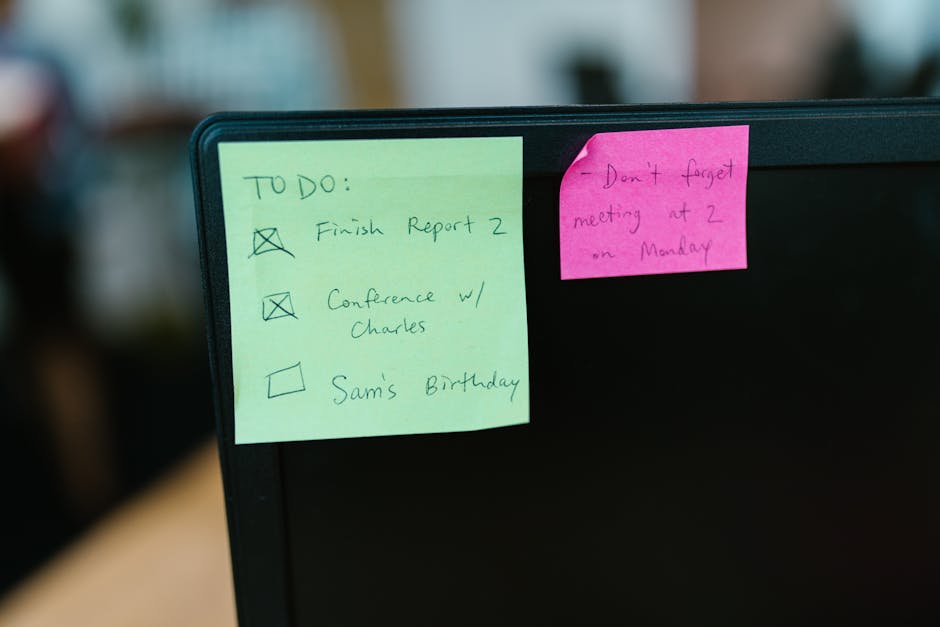
Your desk is a battlefield of productivity, littered with open browser tabs and scattered sticky notes. Each tab represents a potential distraction, from unread emails to social media pings, all vying for your attention. As you sit down for your afternoon focus block, the clutter makes it hard to see your intended task order. You glance at your task list, but it feels like a jumbled mess rather than a clear path forward.
As you prepare for your next work session, take a moment to clear the physical and digital clutter. Close unnecessary tabs and stack those loose notes into a single folder. This simple action can shift your focus back to the task at hand, allowing you to identify the next useful action without the visual noise. When you eliminate distractions, you create a clearer workflow, enabling you to align your tasks with your natural energy levels. If a reminder popup steals your attention, it can easily derail your focus, turning a simple task into a frustrating ordeal. By establishing a clean workspace and a visible task list, you can streamline your workflow, making it easier to manage your time effectively and maintain your productivity throughout the day.
Steps That Slip Through the Cracks
During an ordinary weekday moment, the browser tab row can quickly become cluttered with notifications from Slack or email. These digital interruptions often sneak in unnoticed, stealing precious time and attention. When you’re deep into a work session, a simple ping can derail your focus, leading to a frustrating cycle of task-switching that eats away at your productivity.
One common overlooked step is checking notifications before diving into your focus block. Instead of silencing or managing these alerts, many freelancers leave them unchecked, allowing them to pile up. This habit creates a setup clutter that can feel overwhelming. You might think that ignoring notifications will help you concentrate, but the mental weight of unresolved messages can linger, pulling your focus away from the task at hand.
To combat this, consider implementing a quick ritual: before starting a work session, take two minutes to review and clear your notifications. Open your email and Slack, scan for urgent messages, and address anything that requires immediate attention. This small action helps to declutter not only your digital workspace but also your mental space, allowing you to approach your task list with renewed clarity. As a result, you can better align your workflow with your natural energy levels, ensuring that you make the most of your focus block without unnecessary distractions.
The Notification Dilemma: A Case Study
It’s a Wednesday afternoon, and your task list is already overflowing. You’ve carved out a two-hour focus block to tackle a client proposal, but just as you settle into your work session, a Slack notification pops up in the corner of your screen. You glance at it, thinking it’s just a quick message. However, this brief distraction pulls you away from your task, leading you to open the Slack window and scroll through the chat. What was a clear intention to write now morphs into a rabbit hole of conversations, and you lose track of the client’s requirements.
The interruption doesn’t just steal your attention; it clogs the entire workflow. You had planned to follow your calendar block, which included drafting the proposal and sending a follow-up email. Instead, you find yourself responding to messages and checking notifications, which delays the next logical step in your workflow. As time slips away, the proposal remains untouched, and the mental clutter grows. To mitigate this, consider a quick ritual: before diving into your focus block, take a moment to silence notifications and close unnecessary tabs in your browser. This simple adjustment can help you maintain your momentum and keep your task list visible and prioritized, allowing you to reclaim your time and focus on what matters most. Reorganizing for Effectiveness: A Quick Checklist When the task list exceeds the available time, distractions can easily derail your workflow. Notifications from Slack or email can pull you away from a focused session, making it hard to maintain energy and clarity. To counteract this, you can implement a few straightforward strategies to streamline your workflow.
- Block specific times for focus sessions in your calendar, ideally aligning them with your peak energy levels.
- Minimize distractions by silencing notifications and closing unnecessary browser tabs before starting your work.
- Prioritize your tasks based on urgency and energy, placing the most demanding ones at the beginning of your focus block.
Next time you sit down for a work session, take a moment to set up your environment. Close your email and Slack, then open only the tabs related to your current task. This simple act can help you reclaim focus, ensuring that the next useful action isn't buried under setup clutter. By consciously organizing your workflow, you can better navigate the inevitable distractions and keep your productivity on track.
What to Check Before the Next Distraction Hits
If this pattern keeps repeating, Managing Energy Not Time extends the idea without leaving the niche.
Before diving into Slack or your email, take a moment to glance at your visible task list. This simple action can ground your focus, reminding you of your priorities. If you see a task that requires your immediate attention, you can adjust your focus block accordingly. Otherwise, resist the urge to click on notifications that can easily derail your workflow.
Setting clear boundaries for your focus time is crucial, especially during that common afternoon dip in energy. If you know you have a 90-minute work session planned, close all unrelated tabs in your browser and silence notifications. By doing this, you create a buffer against distractions that can steal precious minutes—like a reminder popup that can consume the next ten minutes. Check your task list first to ensure the next useful action isn’t buried under setup clutter, allowing you to maintain momentum and clarity in your workflow.
What Runs More Smoothly After That
This same friction shows up again in Focus Without Burnout, especially when the day tightens unexpectedly.
When you prioritize a clean setup for your focus block, the difference in your workflow becomes evident almost immediately. For instance, if you’ve taken the time to silence notifications and close unnecessary browser tabs, you’ll find that distractions are significantly reduced. Instead of being pulled away by a Slack notification or an email ping, your attention remains anchored on the task at hand, allowing for deeper concentration during your work session.
Consider this: if your task list is visible and organized, you’ll spend less time deciding what to tackle next. A quick glance at your list can guide you to the most pressing task without the clutter of irrelevant notifications. This small adjustment means you can dive straight into your work, rather than wasting precious minutes shifting gears after a reminder popup steals your focus. The result? A smoother workflow where each task feels more manageable and less overwhelming, especially during that familiar afternoon energy dip.
To ensure this flow continues, make it a habit to check your task list before starting a focus block. Ask yourself: "Is my next action clear?" If not, take a moment to clarify it. This practice not only keeps your momentum going but also minimizes the chances of getting sidetracked by unexpected interruptions. Ultimately, a cleaner setup leads to a more seamless work experience, where the next useful action is always within reach, rather than buried under layers of clutter.
During an ordinary weekday, when your task list seems to stretch endlessly, the clutter of notifications can derail your focus. Each ping from Slack or a new email can pull your attention away, making it easy to lose sight of what you intended to accomplish. Instead of letting these distractions dictate your workflow, take a moment to silence notifications before diving into your next focus block. This simple act can create a more conducive environment for productivity, allowing you to engage fully with the tasks at hand.
Before starting your work session, open your task list and identify the most pressing action. If it’s not clear, take a few seconds to clarify what needs to be done first. This small check can make a significant difference, ensuring that your next useful action is readily accessible rather than buried beneath the noise of a cluttered workspace. By prioritizing clarity in your workflow setup, you can better navigate through your day, especially when energy levels dip in the afternoon.