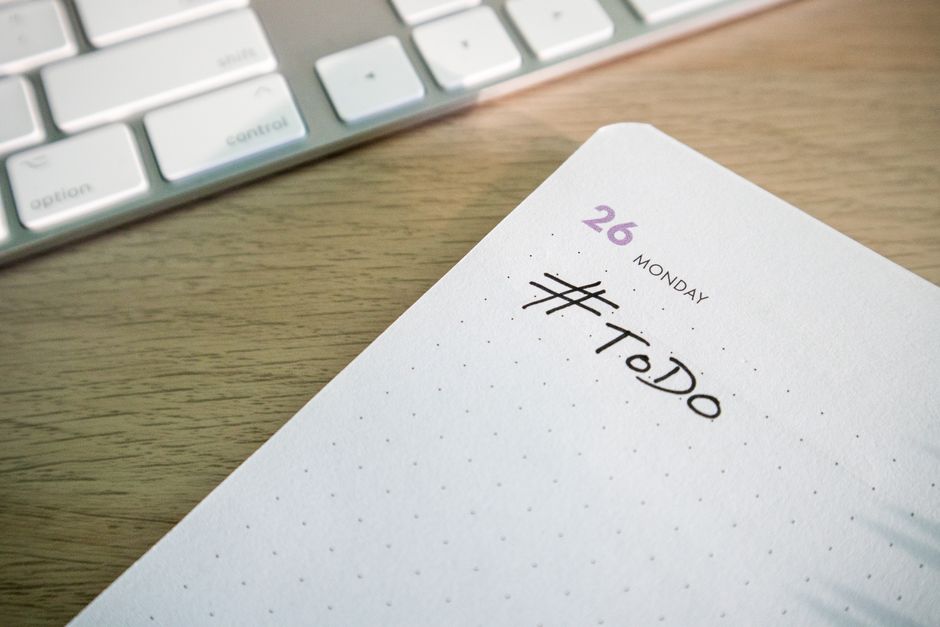
As I sit at my desk, the clock shows 9:15 AM, and I’m gearing up for a focused work session. My task notebook lies open, filled with scribbled notes and reminders, but before diving into my primary document, I instinctively check my calendar. It’s a routine I’ve developed, a way to mentally prepare for the tasks ahead. However, as I glance at the screen, I notice a reminder popup flashing in the corner, pulling my attention away. This small interruption could easily steal the next ten minutes, derailing my concentration before I even begin.
In the chaos of daily productivity, the clutter builds up—unused tabs and notifications litter my workspace, creating a barrier to effective workflow. The act of checking my calendar, while seemingly innocuous, often leads to a cascade of distractions. I find myself toggling between tasks, each switch adding to the setup clutter that complicates my focus habits. The next useful action, like closing those unused tabs, gets buried under layers of interruptions. Without addressing these friction points, my intention to maximize my time management slips away, leaving me scrambling to regain control of my workflow.
The First Step That Gets Skipped
In the midst of preparing for a focused work session, I often find myself instinctively checking my calendar before opening my working document. It's a routine that feels logical; after all, I want to ensure I’m on track with deadlines and meetings. However, this seemingly harmless action can quickly spiral into a series of distractions. The moment I glance at my calendar, I see a reminder for an unrelated task, and suddenly, I’m toggling between my calendar app and my task notebook, losing precious minutes that should have been dedicated to deep work.
Meanwhile, my browser is cluttered with unused tabs from previous projects. Each tab is a visual reminder of tasks I’ve yet to complete, creating a chaotic backdrop that makes it difficult to focus. I tell myself I’ll close them after checking my calendar, but that intention often gets lost in the shuffle of task switching. The clutter builds up, and the next useful action—like closing those tabs—remains buried under layers of distractions. As I shift my attention back and forth, I realize that what seemed like a reasonable workflow method is, in fact, a setup for failure. The initial missed step of clearing distractions before diving into work not only complicates my focus habits but also undermines my time management efforts.
Where the Default Method Fails
As I sit down at my desk, the clutter around me is palpable. My computer screen displays a jumble of open tabs, each representing unfinished tasks and reminders. Just as I’m about to dive into my focused work session, a reminder popup flashes on my screen, stealing ten precious minutes of my attention. Instead of settling into my task, I find myself toggling between dismissing the notification and scanning through my cluttered desktop, searching for the document I need to start.
This chaotic environment complicates even the simplest actions. The moment I check my calendar for the day’s agenda, I’m bombarded by a cascade of notifications from various apps. Each ping and pop-up distracts me further, making it hard to locate the necessary documents buried under layers of visual noise. The weak point in my workflow becomes glaringly obvious: the clutter not only delays my start but also diminishes my ability to focus when I finally do sit down to work.
To combat this, I need a clearer setup before beginning my work session. A practical first step would be to close all unused tabs and silence notifications. By doing this, I can create a more streamlined workspace that allows me to locate my documents quickly and reduces the risk of distractions. This small adjustment in my desk planning might seem minor, but it can significantly impact how effectively I transition into a focused block of work.
A Better Order for the Same Five Minutes
Before diving into a focused work session, the clutter on my desk can feel overwhelming, especially when I check my calendar and get sidetracked by notifications. To tackle this, I can streamline my setup to maximize those crucial first five minutes. Instead of jumping straight into my tasks, I need to follow a specific order that minimizes distractions and enhances my focus.
- Close all unused tabs on my browser to eliminate visual noise.
- Mute notifications on my phone and desktop to prevent interruptions.
- Open my task notebook and jot down the key tasks I want to tackle during this focus block.
By implementing this sequence, I create a clean slate that allows me to concentrate better on the work at hand. The first step—closing those tabs—removes potential distractions that could steal my attention later. This simple adjustment allows me to sit down with a clear mind and a defined purpose, setting the stage for a productive focus block. I can then open my working document without the clutter of notifications or unnecessary tabs, making it easier to dive into my tasks immediately.
The Tradeoff of Clutter Management
If this pattern keeps repeating, Managing Energy Not Time extends the idea without leaving the niche.
Before diving into a focus block, the clutter on my desk often becomes a point of contention. I notice the calendar on my screen flashing reminders, while my task notebook lies open, revealing a jumbled list of priorities. The temptation to jump straight into my work is strong, but I know that taking a moment to declutter can significantly impact my focus. Closing unused tabs in my browser feels tedious, yet it’s a crucial step. Each tab represents a potential distraction, and I’ve learned that even a single notification can derail my concentration for ten minutes.
Choosing to invest time in setup may initially seem like a delay, especially when the work session looms ahead. However, the alternative—starting my tasks amidst the chaos—often leads to fragmented attention and constant task switching. By taking the extra few minutes to mute notifications and organize my workspace, I create an environment that fosters deeper focus. The tradeoff becomes clear: while the initial setup may feel cumbersome, it ultimately paves the way for a more productive session. This small act of closing tabs and muting distractions transforms my workspace into a sanctuary for concentration, making the time spent on decluttering worthwhile.
What to Check Before the Phone Takes Over
This same friction shows up again in Focus Without Burnout, especially when the day tightens unexpectedly.
Before diving into a focused work session, I always take a moment to ensure my environment is conducive to deep concentration. The first step involves muting all notifications on my phone and computer. This simple action prevents distractions that can easily derail my focus, especially when a reminder popup steals the next ten minutes. It’s surprising how a single chirp can lead to a cascade of task switching, pulling my attention away from the work I intended to accomplish.
Next, I pull out my task notebook, flipping to the page where I’ve outlined my priorities for the session. This quick review serves as a mental anchor, confirming what I need to tackle first. I mark the top task with a bright sticky note, placing it right next to my keyboard. This visual cue not only keeps my focus sharp but also acts as a reminder of what’s essential. Skipping this step often leads to confusion about where to start, further complicating the workflow. By taking these few moments to check my notifications and clarify my priorities, I set myself up for a more productive session, minimizing the risk of losing momentum to unnecessary interruptions.
When to Implement the Alternative Workflow
Scheduled focus blocks are the perfect opportunity to adopt an alternative workflow. During these times, the goal is to dive deep into a single task without interruptions. Before this session begins, I make sure to close any unused tabs in my browser, which not only clears visual clutter but also prevents the temptation to switch tasks mid-flow.
In addition, I mute any notification windows that could disrupt my concentration. I often find that when I skip this step, a single notification can lead to a cascade of distractions, pulling me away from the task at hand. By preparing my workspace and digital landscape in advance, I set the stage for a productive work session.
Days filled with multiple tasks that require uninterrupted attention are ideal for this method. If I have a list of varied responsibilities, I prioritize them in my task notebook, marking the most critical items. This way, I can transition smoothly from one focus block to another without losing momentum. The key is to ensure that each scheduled block is treated as a dedicated time for deep work, minimizing the clutter that can derail progress.
During an ordinary weekday, the moment before a focus block can easily become a minefield of distractions. If I check my calendar only to find a slew of tasks and notifications, the clarity I need to dive into my work can quickly evaporate. Each reminder popup can steal precious minutes, pulling my attention away from the document I intend to open. This clutter, both physical and digital, creates a barrier that can derail my focus before I even start.
To combat this, I make it a habit to close all unnecessary tabs and mute any notification windows before I begin. This simple action clears my workspace, allowing me to engage fully with my task notebook and prioritize my responsibilities. By ensuring that my environment is streamlined, I can protect my deep-work blocks and maintain momentum throughout the day. The next time I prepare for a work session, I’ll check that my digital landscape is as organized as my desk—ready for focused productivity.