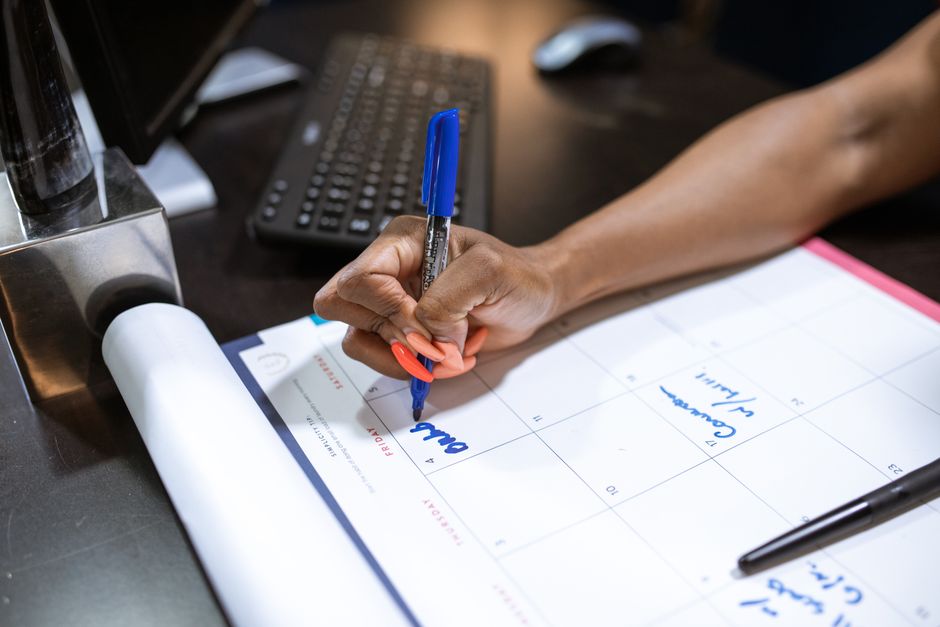
It's mid-morning on a Tuesday, and the cluttered desk is a battlefield of sticky notes, a half-drunk coffee cup, and a browser tab row filled with reminders of small admin tasks. The top three tasks, intended for the focused work session, remain unchanged from yesterday, their urgency overshadowed by the constant ping of emails and notifications. As a freelancer, the challenge lies in aligning the day’s energy with the right task order, but instead, the workflow feels chaotic and fragmented.
Amid the clutter, the calendar block for a focus session is glaringly empty, a missed opportunity to carve out uninterrupted time. The browser tabs, meant to serve as a resource, instead distract, pulling attention away from the real work. Without a clear sequence for tackling tasks, the small admin duties creep in, clouding the priority list. This misalignment not only disrupts the workflow but also leads to a frustrating cycle of task switching that drains energy and focus.
Where the Routine Starts to Slip
The clutter on the desk has become a familiar sight: stacks of papers teetering precariously next to a half-open notebook, while a browser tab row fills with reminders for small admin tasks. As the clock ticks past 10 AM on a Tuesday, the freelancer’s initial enthusiasm for the day’s work session begins to wane. The top three tasks, intended for deep focus, remain untouched, their urgency overshadowed by the constant ping of incoming emails and notifications.
Each time a notification pops up, it pulls attention away from the significant projects, creating a cycle of task switching that feels increasingly draining. The calendar block for a focused work session is glaringly empty, a missed opportunity to set aside uninterrupted time. Instead, the mind is pulled toward the small tasks, like organizing files or responding to messages, which seem less daunting but ultimately crowd out the real work. The desk planning that should guide the day is lost in the chaos, leaving the freelancer to navigate through distractions without a clear path.
To regain control, a simple check is needed: before diving into the next task, take a moment to close all non-essential tabs and jot down the top three tasks on a sticky note. This small act of decluttering the digital workspace can create a clearer mental space, allowing for a more focused approach to the day’s work. However, the challenge remains: how to ensure that this moment of clarity translates into sustained productivity amidst the chaos of a cluttered desk.
What Happens When Tasks Overlap
The browser tab row is a chaotic mix of open projects, emails, and social media notifications, each vying for attention. In this cluttered digital landscape, the freelancer finds it nearly impossible to focus on the primary task at hand. Every time an email notification pops up, it pulls the mind away from the work session, leading to frequent task switching. This constant shift not only disrupts concentration but also makes it difficult to maintain momentum on larger projects.
As the day progresses, the calendar block intended for focused work often gets overlooked. Instead of diving into the main project, the freelancer succumbs to the allure of small, manageable tasks—like replying to a quick email or organizing files—each seemingly urgent but ultimately trivial. This delay in committing to the focused work session creates a cycle where the larger tasks remain untouched, and the small tasks multiply, further cluttering the workspace.
To combat this friction, a practical check can be implemented: before starting a work session, take a moment to close all non-essential tabs and write down the top three tasks on a sticky note. This small act of decluttering the digital workspace not only clears the immediate distractions but also sets a clear intention for what needs to be accomplished. However, the challenge remains: even with this small adjustment, how can the freelancer ensure that the focus block translates into meaningful progress amidst the chaos of overlapping tasks?
The Hidden Cost of Cluttered Surfaces
As the clock ticks past 10 AM on a typical weekday, the freelancer sits down at a desk littered with sticky notes, half-opened notebooks, and a browser tab row that seems to stretch endlessly. Each tab represents a small admin task—replying to an email, checking off a minor project update, or sorting through digital files. These tasks, while appearing urgent, often overshadow the core projects that require deeper focus. The result? The top three tasks on the to-do list remain unchanged, a silent testament to the freelancer's struggle to prioritize meaningful work.
This mismatch between what needs to be done and what actually gets done creates a cycle of inefficiency. Before diving into a focused work session, the freelancer can implement a quick check: close all non-essential tabs and write down the top three tasks on a sticky note. This small act of decluttering not only clears the immediate distractions but also sets a clear intention for the upcoming focus block. Yet, even with this adjustment, the hidden cost of clutter remains—good intentions alone cannot eliminate the gravitational pull of those small, manageable tasks. The challenge lies in transforming that focus block into tangible progress, ensuring that the larger projects do not continue to languish in the background while the clutter takes center stage.
Reorganizing the Focus Block
A slightly different version of this problem appears in Managing Energy Not Time, where the sequence changes but the hidden drag feels familiar.
During a typical weekday, the freelancer sits at their cluttered desk, staring at a browser tab row filled with distractions—emails, social media, and a project management tool overflowing with minor tasks. The presence of these non-essential items creates a mental fog, making it challenging to dive into the core work that truly matters. To combat this, the first step is to schedule a dedicated focus block on the calendar, ideally in the morning when energy levels are highest. This simple act not only carves out time for significant tasks but also sets a clear boundary against the pull of smaller, less important duties.
Before the focus block begins, a quick desk planning session is essential. Clear the surface of all non-essential items—sticky notes, old coffee cups, and even that stack of papers waiting to be filed. This physical decluttering creates a more conducive environment for concentration. Next, write down the top three tasks on a sticky note and place it right next to the computer screen. This visual cue serves as a reminder of what needs to be accomplished during the focus block. However, even with these adjustments, the temptation to switch to those small admin tasks lingers. The challenge remains: how to keep the focus on the larger projects while resisting the gravitational pull of the cluttered workspace.
How This Change Affects the Day Ahead
If this pattern keeps repeating, Focus Without Burnout extends the idea without leaving the niche.
After a focused work session, the clutter on the desk feels less daunting. The act of blocking time on the calendar for a significant task not only sets a clear intention but also creates a mental shift. As the freelancer sits down to tackle the top three tasks—now neatly written on a sticky note by the computer—there’s a noticeable ease in transitioning to new projects. The earlier chaos of small admin tasks fades into the background, allowing for a more fluid workflow.
During this ordinary weekday moment, the browser tab row is now limited to just the essential sites related to the current task. This intentional reduction in distractions means that when the focus block ends, the next task can be approached with a clearer mind. Instead of feeling overwhelmed by a long to-do list, the freelancer can simply glance at the sticky note, which serves as a tangible guide for what comes next. The workspace, once a chaotic mix of papers and reminders, now mirrors the clarity of thought achieved during that focus block.
However, the lingering temptation to dive back into smaller tasks still exists. The challenge lies in maintaining this momentum without slipping back into the clutter. As the day progresses, keeping the desk organized becomes a critical part of sustaining attention management. A quick check of the calendar block for the next focus session can help solidify this new routine, but it’s clear: the real test will be resisting the gravitational pull of those small, nagging tasks that threaten to disrupt the flow.
As the freelancer sits down for another focused work session, the desk remains a battleground of clutter, but the approach has shifted. The top three tasks, now neatly written on a sticky note, serve as a constant reminder of priorities. Each time a small admin task threatens to pull focus, a glance at that note reinforces the commitment to the real work at hand. This simple act of visibility helps maintain energy alignment with the tasks that truly matter.
Before diving into the next focus block, a quick check of the calendar can be invaluable. Setting aside just a minute to confirm the timing of the next session ensures that the workflow remains intentional. By blocking that time, the freelancer can protect it from task-switching distractions, making it easier to stay on track. The workspace may still feel chaotic, but with these small adjustments, the path to improved workflow becomes clearer, one step at a time.
